Seasonal & Celebrations
A Sweet Tour of South Africa: Koeksisters, Melktert & More
24 October 2026 · 14 min read
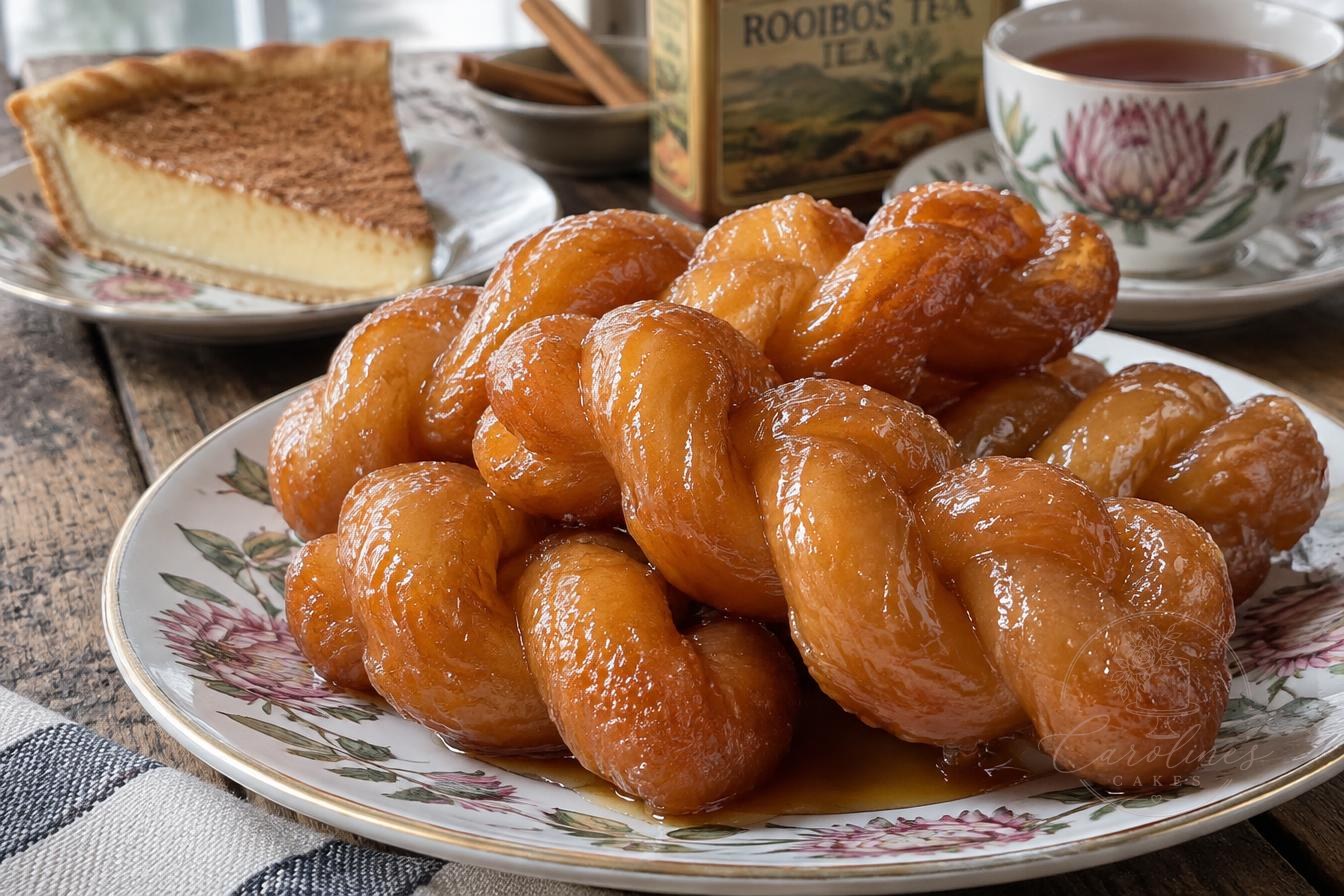
From syrupy koeksisters to Cape Malay koesisters, melktert and malva pudding — the much-loved treats that taste like home to South Africans everywhere.
Ask any South African what tastes like home and you'll hear a hundred different answers — but they nearly all end in something sweet. Our country's baking is a beautiful mix of Afrikaans, Cape Malay, Indian, British, Portuguese and African traditions, shared across kitchens, church fêtes, braais and family tables for generations.
Koeksisters — the sticky, plaited legend
The Afrikaans koeksister is dough plaited into a braid, deep-fried until golden, then plunged straight into ice-cold syrup flavoured with lemon, ginger or cinnamon. The contrast is the magic: crisp outside, syrup-soaked inside, and impossible to eat neatly. There's even a koeksister monument in Orania — that's how seriously we take them.
Koesisters — the Cape Malay cousin
Not to be confused with the plaited version! The Cape Malay koesister is a soft, spiced dumpling scented with cardamom, cinnamon, aniseed and dried naartjie peel, dipped in light syrup and rolled in desiccated coconut. In Cape Town it's a much-loved Sunday morning tradition.
Melktert (milk tart)
A crisp pastry case filled with a silky, delicately set milk custard and dusted generously with cinnamon. Melktert is so beloved it has its own day — National Milk Tart Day on 27 February. Some families swear by a baked filling, others by the fridge-set version; everyone agrees on the cinnamon.
Malva pudding
Spongy, caramelised and soaked in a warm buttery cream sauce while still hot from the oven, malva pudding is the dessert that ends Sunday lunches across the country. Apricot jam gives it its gentle tang. Serve with custard or vanilla ice cream — or both.
More treasures from the tin
- Rusks (beskuit) — twice-baked and made for dunking in rooibos or coffee; buttermilk and muesli are classics.
- Hertzoggies — little tartlets with apricot jam under a coconut meringue cap.
- Peppermint Crisp tart — Tennis biscuits, caramel, cream and grated Peppermint Crisp. Pure nostalgia.
- Vetkoek — golden fried dough, as good with mince as with golden syrup and jam.
- Melkkos & souskluitjies — comforting milky and cinnamon-sugar dumpling dishes.
- Ystervarkies (lamingtons) — sponge squares dipped in chocolate and coconut.
- Indian-South African sweetmeats — burfee, gulab jamun and soji, especially around Diwali.
- Pampoenkoekies — pumpkin fritters with cinnamon sugar and syrup.
Bringing tradition into celebration cakes
These flavours make wonderful inspiration for modern cakes. Think a malva-spiced sponge with caramel buttercream, a milk-tart cake with cinnamon custard filling, or a Peppermint Crisp layer cake for a heritage-themed birthday. A local twist always gets people talking.
The best South African treats aren't fancy — they're shared. They taste of grandmothers, tea time and full tables.
Planning a Heritage Day get-together or a proudly South African celebration? Chat to Caroline about a cake inspired by the flavours you grew up with.
Where these treats come from
South Africa's sweet table tells the story of the people who built it. Dutch and French Huguenot settlers brought custard tarts, rusks and fried doughs. Enslaved and exiled people from Indonesia, Malaysia and India brought cardamom, cinnamon, aniseed, cloves and the art of spiced syrups — which is why Cape Malay baking tastes so fragrant. British influence gave us trifles, scones and fruit cakes, Portuguese families shared custard tarts (pastéis de nata) and sweet bread, and African home cooks kept generations fed with breads like vetkoek, amagwinya and steamed dumplings (ujeqe). Over time these traditions borrowed from one another until they became simply ours.
Amagwinya and steamed bread
In townships and taxi ranks across the country, amagwinya — the isiXhosa and isiZulu name for golden fried dough balls — are a breakfast and lunchtime staple. Eat them plain, split open with polony and atchar, or sweet with apricot jam and a cup of strong tea. Ujeqe, a soft steamed bread, is the gentle cousin: made in a covered bowl over simmering water and served warm with butter or alongside a Sunday stew. Neither is fancy; both are pure comfort.
Sweet treats from Indian South African kitchens
Durban and the Indian communities of Gauteng have given the country some of its most beautiful sweets, shared generously with neighbours at Diwali, Eid and weddings. Burfee is a fudge-like milk sweet flavoured with cardamom and often topped with pistachio or almond. Gulab jamun are soft milk dumplings soaked in rose-scented syrup. Soji (semolina pudding with ghee, cardamom, sultanas and almonds) is cooked for blessings and celebrations, and coconut ladoo are rolled by the trayful. If you've ever received a Diwali tray from a friend, you know how special these are.
The Sunday lunch puddings
- Sago pudding — creamy, vanilla-scented tapioca baked until golden, often with a layer of apricot jam and meringue.
- Brandy tart (tipsy tart / Cape brandy pudding) — date-studded sponge soaked in warm brandy syrup.
- Jan Ellis pudding — a sticky, caramel-sauced baked pudding named after a beloved character.
- Bread-and-butter pudding — yesterday's bread transformed with custard, raisins and nutmeg.
- Koeksister pudding — a modern favourite combining sponge with koeksister-style ginger syrup.
Tea-time tins and fête favourites
Every South African knows the joy of a church bazaar or school fête table. Alongside the koeksisters you'll find soetkoekies (spiced, wine-scented biscuits), crunchies (oats, coconut and golden syrup), romany creams-style chocolate sandwich biscuits, jam drops, coconut squares, fudge wrapped in wax paper, and tins of melting moments. These are the bakes that made it into school lunchboxes and granny's biscuit tin — and they still disappear first.
Heritage Day and celebration ideas
24 September is Heritage Day (and, for many, Braai Day). It's the perfect excuse for a proudly local dessert spread. Here are ideas that work beautifully for a party, office celebration or family gathering:
- A milk tart cake: vanilla sponge layered with cinnamon custard and finished with a cinnamon-sugar buttercream.
- Mini melktert tartlets alongside koeksisters and hertzoggies on a tiered stand.
- Peppermint Crisp layer cake with caramel filling and grated chocolate on top.
- Rooibos-and-honey cupcakes with a lemon glaze.
- Malva pudding cupcakes served warm with a jug of custard on the side.
- Rusks and coffee station — buttermilk, aniseed and muesli rusks in glass jars.
- A mixed tray of burfee, coconut ladoo and koesisters to celebrate every tradition.
Tips if you're baking at home
- Koeksisters: keep the syrup ice-cold (make it the day before and chill it) and the dough hot from the oil — the temperature difference is what makes them crisp.
- Melktert: don't boil the custard too hard; stir constantly and let it thicken gently, then chill fully before slicing.
- Malva pudding: pour the sauce over the moment the pudding leaves the oven so it soaks in completely.
- Rusks: dry them low and slow — overnight at around 80–100°C — for that perfect dunking crunch.
- Hertzoggies: use a good apricot jam and whisk the coconut meringue until stiff so it doesn't weep.
However your family makes them, these treats belong at celebrations. If you'd love a cake inspired by the flavours you grew up with, send Caroline a message and she'll help you design something that tastes like home.